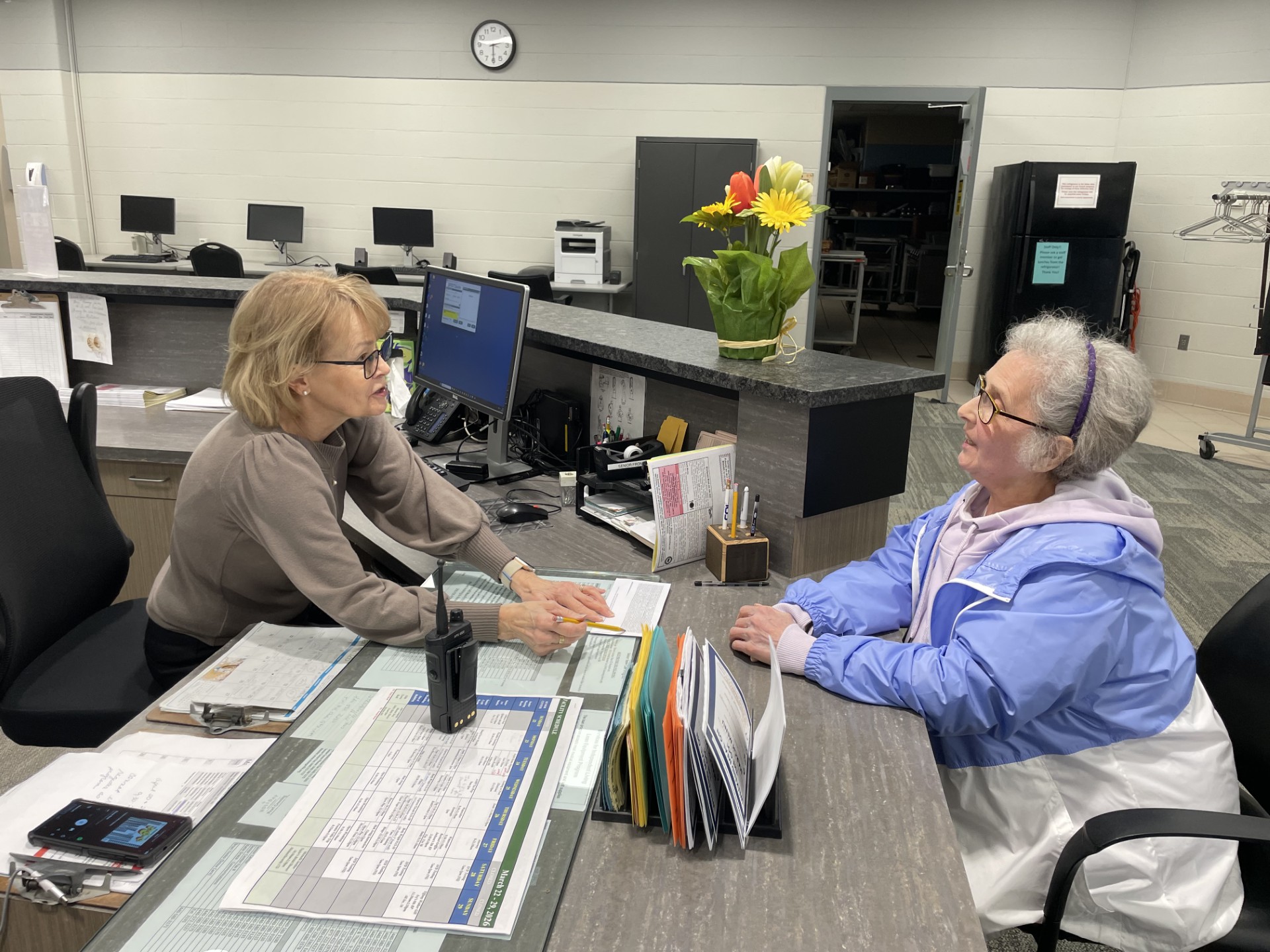
A person new to sight loss or to acting independently has to cope with an incoming stream of sighted speech from the store clerk, medical assistant, or acquaintance who know little or nothing about low vision or blindness. Lots of everyday interactions become awkward or painful!
“Sighted” speech which everyone who sees well uses all the time is at least half visual, and much more than half when you want to contact the cashier or a friend across the room.
Eyes, faces, and bodies express so much of what is being communicated. And you who may now see only blurred outlines or not much at all will almost certainly feel confused and upset!
Here are 10 ordinary interactions that can be awkward or distressing (Check the end of this post for what to do next.)
The Five First and Worst
- Finding out who you are talking to
- Finding the counter or reception desk at a café, store, or medical facility
- Requesting “Sighted Guide” or other assistance to get to a café table, store section, or examination room
- Disclosing your vision loss when requesting assistance
- Talking to another shopper or patient to find the back of the line, the reception desk, or the next available checkout
Five Mor complicated Interactions, Which can take confidence and social courage
- Requesting specific assistance such as reading the menu, finding items in a store, or filling out paperwork
- Using tone and choice of words to deter intrusive or condescending remarks
- Making a request for assistance to an employee then coaching them to respond in full descriptive speech.
- Asking a family member or roommate for a
time to talk about needed adjustments to daily life
- Calling the host or organizer of an event to ask for details and to find out who else is going
With vision loss we have to make a lot of requests! We also have to take charge of the conversation and speak in a clear, positive, and direct way to get our needs met. And then coach the person we are talking to to use full descriptive speech.
This is called assertive speech. To do this while still speaking in your own style, you need some basic knowledge and practice.
The next post will give some pointers and suggestions.